Backgammon is one of the oldest board games in the world, but its story in England is especially rich and influential. Over centuries, the game evolved from a pastime of nobles into a popular social activity enjoyed in homes, clubs, and now online platforms. Today, millions of people Play Backgammon Online, continuing a tradition that has been shaped heavily by English culture, innovation, and history.
Understanding the English journey of backgammon helps us appreciate how the game survived wars, social changes, and technological revolutions to remain relevant in modern times.
Ancient Origins Before England
Early Ancestors of Backgammon
Before backgammon reached England, its earliest ancestors existed thousands of years ago. Archaeologists discovered board games similar to backgammon in Mesopotamia, dating back to around 3000 BC. These early games involved moving pieces based on dice rolls, combining luck and strategy — the same core elements seen today.
The Romans later played a game called Ludus Duodecim Scriptorum and Tabula, which are considered direct predecessors of modern backgammon. When the Romans invaded Britain, they brought these games with them.
Arrival in Britain During Roman Rule
When Roman soldiers occupied Britain from 43 AD, they introduced their board games to local populations. These games became popular among military officers and eventually spread to civilians.
Although the exact transition to modern backgammon took centuries, this marked the beginning of England’s relationship with the game.
Medieval England and the Evolution of Backgammon
Popularity Among Nobility
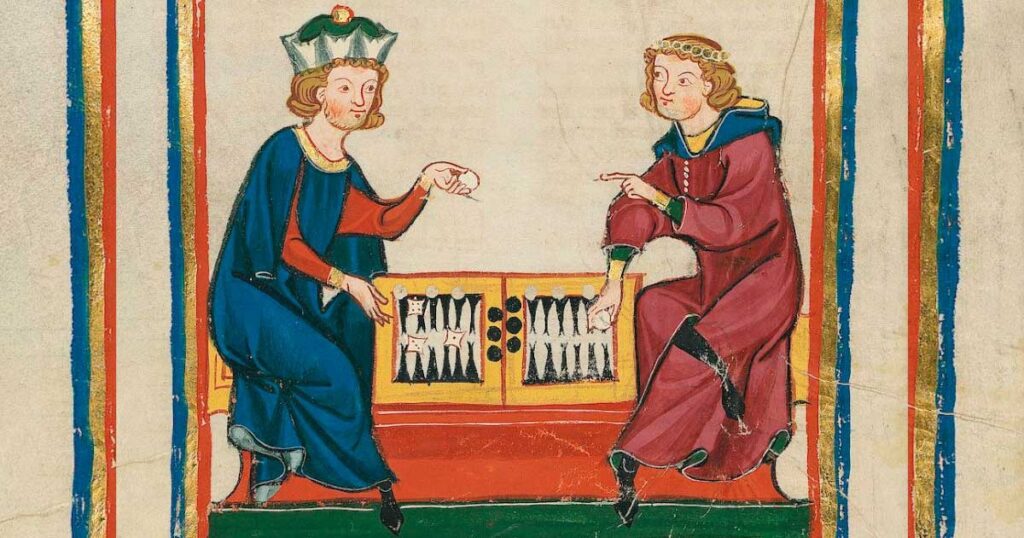
During the medieval period, board games became symbols of intelligence and social status. Backgammon-like games were played in castles, especially among nobles and wealthy families.
These games were valued because they required:
- Strategic thinking
- Mathematical understanding
- Decision-making skills
Backgammon was not just entertainment — it was considered mental training.
Church Opposition and Restrictions
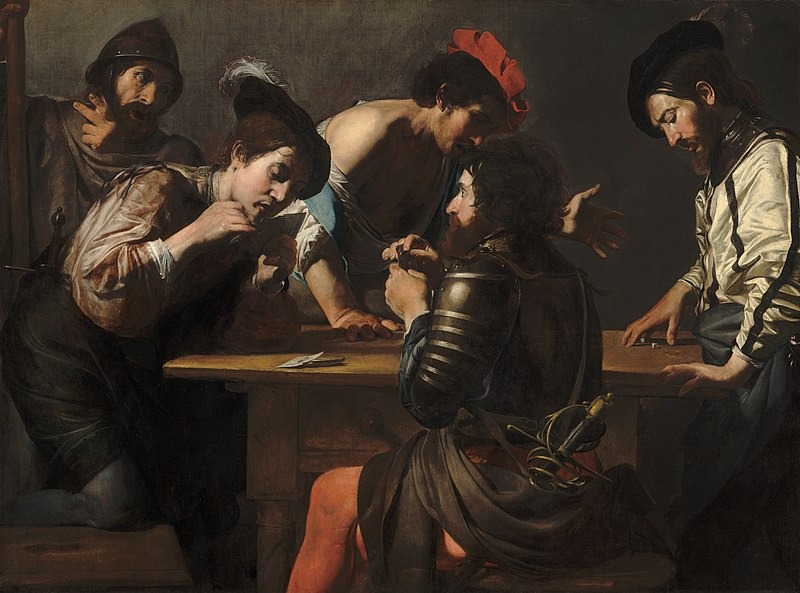
Interestingly, some religious authorities opposed board games because they were associated with gambling. At times, restrictions were placed on gaming, but backgammon continued to survive quietly in noble households.
The Tudor Period: The Birth of Modern Backgammon
Standardization of the Game
The modern form of backgammon began to emerge during the Tudor period (1485–1603). The name “backgammon” itself is believed to have originated in England during this era.
Some historians suggest the name comes from:
- “Back” meaning returning pieces
- “Gamen” meaning game in old English
This reflects the game’s unique mechanic of re-entering captured pieces.
Royal Influence and Elite Entertainment
Backgammon became extremely popular among royalty and aristocrats. Even members of the royal court, including those during the reign of Elizabeth I, enjoyed strategic board games.
The game was played in:
- Royal palaces
- Noble estates
- Private clubs
It became associated with intelligence and sophistication.
The 17th Century: Official Recognition
First Written Rules in England
In 1646, backgammon was formally documented in England in a book called The Compleat Gamester. This was the first time standardized rules were recorded.
This English publication helped define:
- Board layout
- Movement rules
- Winning conditions
These rules became the foundation of modern backgammon worldwide.
England played the key role in shaping the version of the game that people Play Backgammon Online today.
Victorian Era: Backgammon for the Masses
Expansion Beyond Nobility
During the Victorian era (1837–1901), backgammon spread beyond the elite.
It became common in:
- Family homes
- Social clubs
- Coffee houses
Industrial manufacturing made boards more affordable, allowing middle-class families to own sets.
Backgammon as Social Entertainment
Backgammon became a symbol of:
- Intelligence
- Education
- Social bonding
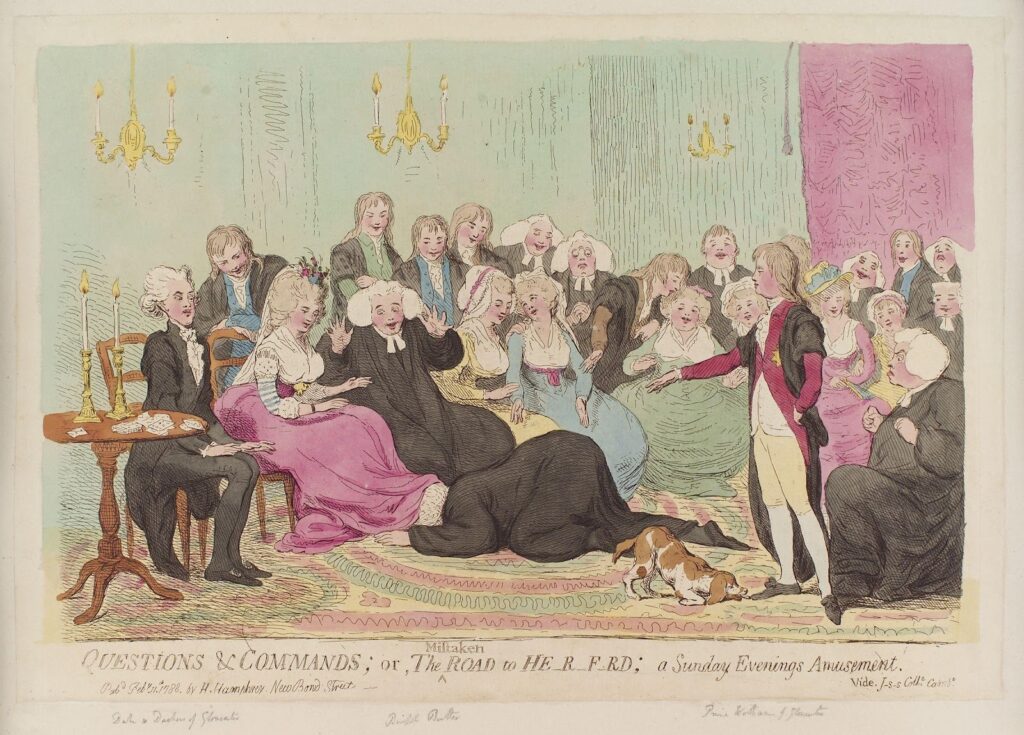
It was often played in parlors after dinner, strengthening its role in English domestic culture.
Backgammon in English Clubs and Society
Gentleman’s Clubs
In the 18th and 19th centuries, gentleman’s clubs in London featured backgammon as a regular activity.
Players enjoyed:
- Friendly competition
- Strategy challenges
- Social interaction
These clubs helped preserve and promote the game.
Cultural Importance
Backgammon became deeply embedded in English leisure culture.
It represented:
- Strategic thinking
- Patience
- Skill development
Scientific and Mathematical Interest
Backgammon attracted mathematicians because of its probability elements.
Players needed to calculate:
- Dice probabilities
- Risk management
- Strategic positioning
English scholars studied the game seriously, helping elevate it beyond simple entertainment.
The 20th Century: Modernization and Global Spread
International Influence
England helped spread backgammon to other countries through:
- Trade
- Colonization
- Cultural exchange
British travelers introduced the game globally.
Tournament Play
By the mid-1900s, organized tournaments became popular.
England played a major role in:
- Competitive backgammon
- Rule standardization
- Strategy development
Digital Revolution: Play Backgammon Online
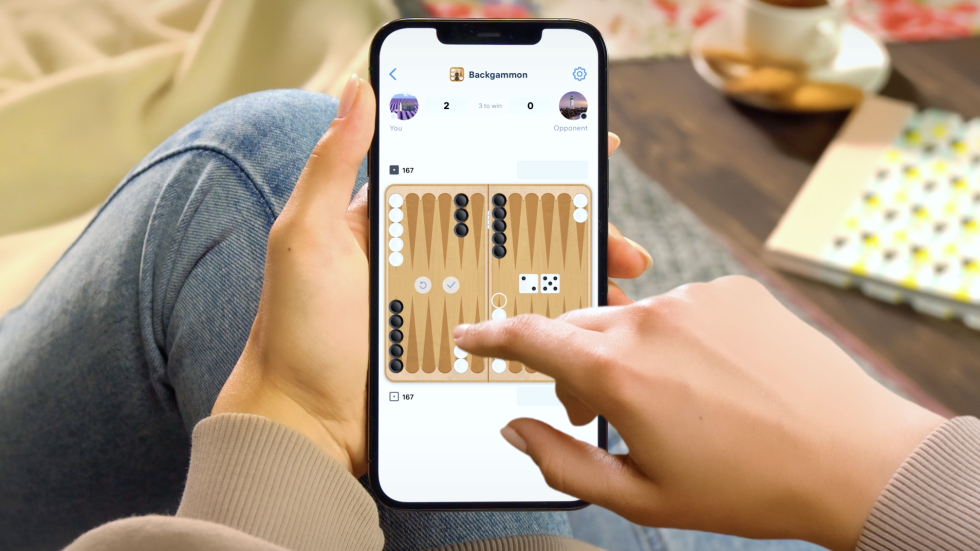
Transition to Online Platforms
With the rise of computers and the internet, backgammon entered a new era.
Now players can Play Backgammon Online from anywhere in the world.
Online platforms offer:
- Multiplayer games
- AI opponents
- Global tournaments
England’s Continued Influence
English players and developers helped popularize online backgammon platforms.
The traditional English rules are still used worldwide.
Why Backgammon Remained Popular in England
Simple Yet Deep Gameplay
Backgammon is easy to learn but difficult to master.
This balance made it appealing across generations.
Combination of Luck and Skill
Unlike chess, backgammon includes dice, which adds excitement and unpredictability.
Social Interaction
Backgammon has always been a social game in England, played among friends and family.
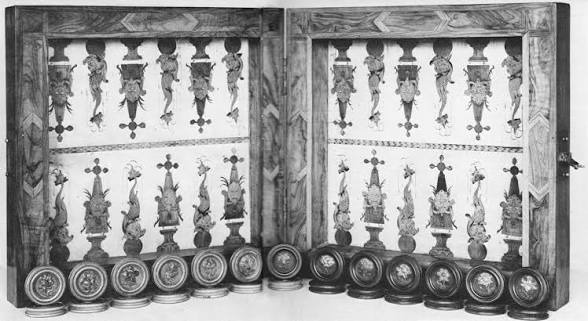
Historical Backgammon Sets in Museums
Historic English backgammon boards are preserved in places like the British Museum.
These antique boards show:
- Artistic craftsmanship
- Cultural importance
- Game evolution
They provide evidence of backgammon’s deep roots in English history.
Modern England and Backgammon
Today, backgammon continues to thrive in England.
People play:
- In homes
- In clubs
- On computers
- On smartphones
Many prefer to Play Backgammon Online because it offers convenience and global competition.
How England Shaped Modern Backgammon
England contributed several important elements:
Naming the Game
The word “backgammon” originated in England.
Writing the Rules
English authors created the first official rulebooks.
Popularizing the Game
England spread backgammon internationally.
Preserving Tradition
English culture kept the game alive for centuries.
Conclusion
Backgammon’s English history is a fascinating journey through time. From Roman soldiers to Tudor royalty, Victorian families, and modern online players, the game has remained a constant source of entertainment and intellectual challenge.
England played a critical role in shaping the backgammon we know today. The rules, name, and popularity of the game all owe much to English influence.
Now, thanks to technology, anyone can Play Backgammon Online, continuing a tradition that began centuries ago in English castles and homes.
Backgammon is not just a game — it is a living piece of history that connects the past with the present.
Keep an eye for more latest news & updates on Daily Uk!