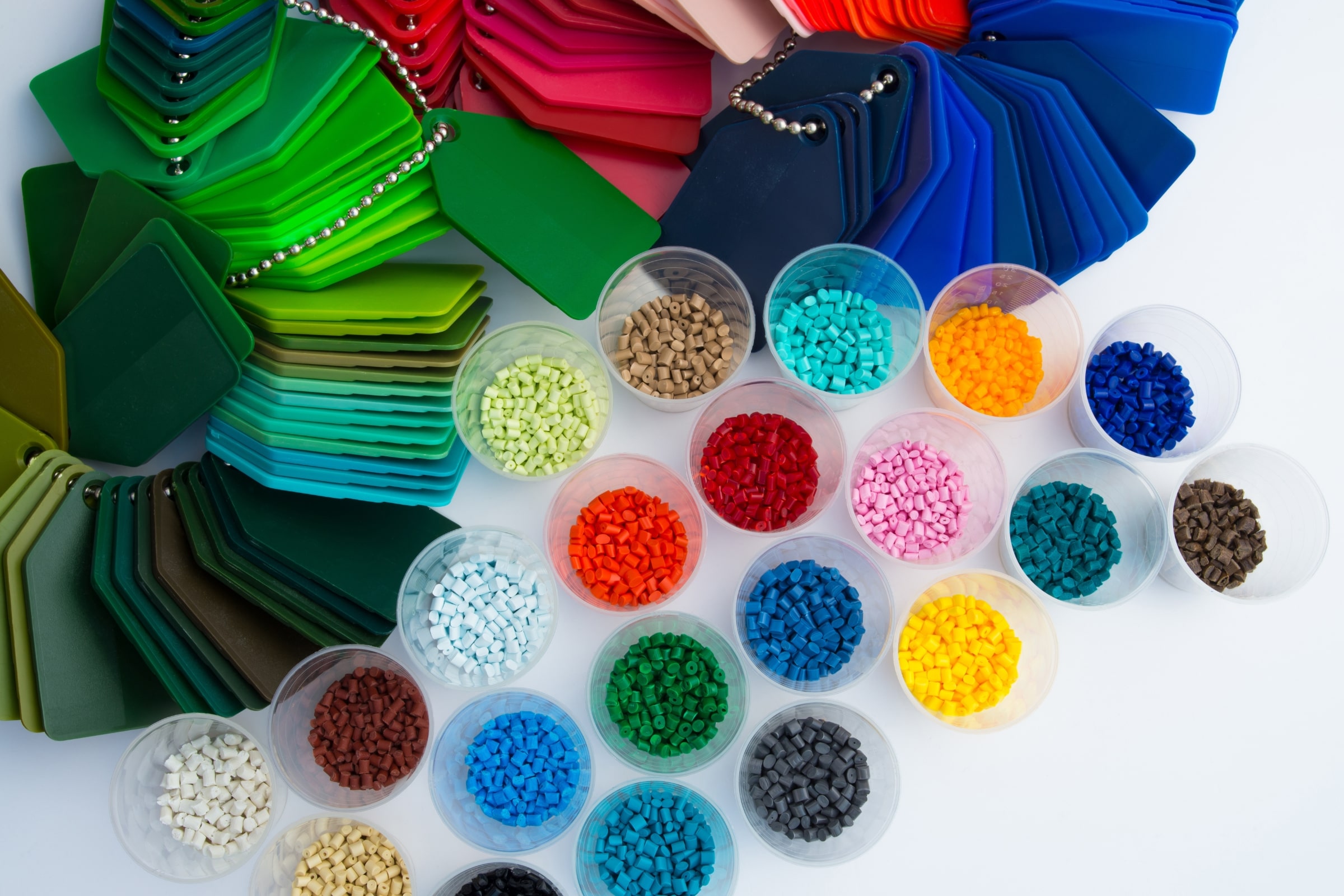
Injection molding is one of the most famous strategies for making plastic elements. It is speedy, accurate and true for mass production. Many industries use it—for instance, automobile, clinical, electronics, packaging and family merchandise.
But the best of the very last product largely depends on the fabric you select. Each plastic cloth has specific energy, flexibility, heat resistance and charge.
In this text, we can evaluate the most common injection molding materials in quite simple terms. This will assist you in picking out the right fabric for your venture.
Why Material Selection Is Important
The material is the basis for each molded part. If you choose the incorrect plastic, the product can quickly spoil, melt or deteriorate.
A correct selection of components allows you:
improve the existence of the product
reduce manufacturing fees
increase strength
improve look
Handle heat and chemicals at higher temperatures
Such as that is why many manufacturers work with expert plastic injection molding services and to select the best material.
1. ABS (Acrylonitrile Butadiene Styrene)
In simple words, ABS is one of the most extensively used injection molding plastics.
Key Features
- Strong and tough
- Good impact resistance
- Smooth surface finish
- Easy to paint and print
- Low cost
Common Uses
- Electronic housings
- Toys (like LEGO bricks)
- Automotive parts
- Home appliances
ABS is great when you need strength and a nice look at a low price. But it does not handle very high heat well.
2. PP (Polypropylene)
Polypropylene is a totally mild and bendy plastic. And also It is one of the most inexpensive substances.
Main functions
light weight
chemical resistant
flexible
Fatigue resistant (can bend multiple times)
moisture resistant
Common Uses
- Food containers
- Bottle caps
- Medical parts
- Living hinges (flip caps)
PP is perfect for products that need flexibility and chemical resistance. But it is not as strong as ABS.
3. PE (Polyethylene)
Polyethylene comes in different types, consisting of HDPE and LDPE. And both are comparable in casting.
Main capabilities
gentle and bendy
moisture resistant
chemical resistant
low price
meals secure
Common Uses
- Plastic bottles
- Containers
- Pipes
- Packaging products
PE is good for simple products. But it has low heat resistance and lower strength.
4. PS (Polystyrene)
Polyfoam is a clear and difficult plastic. It is simple to shape, and prices are low.
Main functions
clean and obvious
tough
light weight
easy to treat
low value
Common Uses
- Disposable cups
- Food trays
- CD cases
- Lab ware
PS is good for clear products. But it is brittle and can crack easily.
5. PVC (Polyvinyl Chloride)
Such as PVC is a robust plastic that can be rigid or flexible.
Main features
strong
chemical resistant
flame resistant
weather resistant
sustainable
Common Uses
- Pipes and fittings
- Cable insulation
- Medical tubes
- Construction materials
PVC is great for outdoor and industrial use. But processing is more complex than PP or PE.
6. Nylon (PA – Polyamide)
Nylon is a high-performance engineering plastic. It is strong and heat-resistant.
Main functions
very robust
wear resistant
warmth resistant
low friction
proper mechanical energy
fashionable use
offers
save
automobile components
machine additives
Nylon is excellent for mechanical parts. But it absorbs moisture, which can affect its form and length.
7. PC (Polycarbonate)
Polycarbonate is a first-class engineering plastic. It is known for its strength and clarity.
Main features
extraordinarily strong
obvious
warmth resistant
effect resistant
flame resistant
Common Uses
- Safety helmets
- Car light covers
- Medical devices
- Bullet-resistant panels
PC is more expensive but offers very high performance.
8. PET (Polyethylene Terephthalate)
Such as PET is extensively used in the packaging and food industry.
Main capabilities
clean and sturdy
mild weight
appropriate barrier houses
meals safe
reusable
widespread use
water bottles
meals container
beauty packaging
PET is ideal for transparent packaging, however no longer perfect for very high temperatures.
Quick Material Comparison
ABS is strong with medium flexibility and heat resistance, and it costs low.
PP has medium strength, high flexibility, medium heat resistance, and very low cost.
PE is low in strength,and high in flexibility, low in heat resistance, and very low in cost.
PS has low strength, low flexibility,and low heat resistance, and low cost.
PVC is strong, medium flexible, medium heat resistant, and costs medium.
Nylon is very strong, low in flexibility, high heat resistant, and high in cost.
PC is very strong, low in flexibility, very high heat resistant, and high in cost.
PET has medium strength, low flexibility, medium heat resistance, and medium cost.
Factors to Consider When Choosing a Material
1. Product Function
Will the part carry weight?
Will it bend?
Will it face impact?
Choose strong plastics like ABS, Nylon, or PC for load parts.
2. Heat Exposure
If the product faces heat, choose:
- Nylon
- PC
- High-temp ABS
Avoid PE and PS in high heat.
3. Chemical Contact
For chemical or moisture exposure, choose:
- PP
- PE
- PVC
They resist corrosion well.
4. Appearance Needs
If you need clear products, choose:
- PC
- PET
- PS
They offer transparency and gloss.
5. Budget
Low-cost materials:
- PP
- PE
- PS
High-performance but costly:
- Nylon
- PC
Role of Professional Mold Partners
Material selection is not only about plastic type. It also depends on:
- Mold design
- Cooling system
- Injection pressure
- Wall thickness
Working with experts like MoldPartner helps avoid production mistakes. They guide you in:
- Material selection
- Mold design
- Cost control
- Quality improvement
This reduces defects and saves money.
Final Thoughts
Injection molding gives many fabric options. Each plastic has its own benefits and limitations.
ABS is strong and affordable
PP is bendy and reasonably-priced
PE is easy and moisture-resistant
Nylon is strong for mechanical parts
PC presents first elegance, energy, and clarity
There is no single “excellent” cloth. The right preference depends on product needs, price range and performance goals.
If unsure, usually contact professional plastic injection molding offerings. Expert help guarantees better cloth selection, higher shapes, and better gift products.
With the proper materials, your injection molded parts might be strong, long-lasting and cost-effective for long-term achievement.
Keep an eye for more latest news & updates on Daily Uk!