Expanding your business facilities is a massive milestone. It signals that your strategies are working, your customer base is growing, and you are ready for the next level of operation. But amidst the excitement of architectural blueprints, interior design, and hiring new staff, one critical element often gets sidelined until it becomes a problem: the electrical system.
Your electrical infrastructure is the silent backbone of your daily operations. If it cannot support your growth, your expansion could turn from a dream project into a logistical nightmare. A bigger space usually means more computers, heavier machinery, upgraded HVAC systems, and increased lighting needs. If you don’t account for these demands early in the planning phase, you risk expensive retrofits, safety hazards, and operational downtime.
Before you break ground or sign a lease on a new annex, consider these nine electrical factors that are essential for a successful expansion.
1. Electrical Load Capacity
The most common oversight during an expansion is assuming the existing electrical panel can handle the new workload. Most older buildings were designed for the power needs of their time, not for the high-density technology and machinery of the modern era.
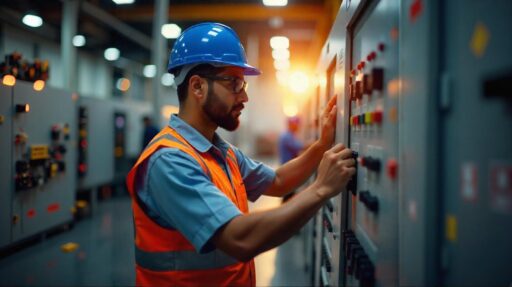
You need to conduct a load calculation to determine if your current service amperage is sufficient. Adding new manufacturing equipment, server rooms, or even a fleet of new workstations can easily overload a standard system. If your breakers are constantly tripping or you notice flickering lights, your system is already straining. Upgrading your main service panel or installing sub-panels is often the first step to ensuring you have the raw power necessary to operate.
2. Code Compliance and Local Regulations
Building codes are not static; they evolve to improve safety and efficiency. An electrical system that was compliant ten years ago might not meet today’s standards. When you expand, you often trigger a requirement to bring the entire facility up to current code, not just the new addition.
This is particularly important regarding the National Electrical Code (NEC) and local amendments. Violations can lead to failed inspections, fines, and significant project delays. If your facility is located in the Great Lakes State, partnering with a licensed commercial electrician in Michigan is the best way to navigate these specific local codes and ensure your permits are filed correctly.
3. Wiring Integrity and Age
If you are expanding into an older building or knocking down walls in your current one, pay close attention to the wiring. Old wiring, such as knob-and-tube or aluminum wiring, can pose serious fire risks and is often incompatible with modern grounding requirements.
Expansion is the perfect time to inspect and replace deteriorating insulation or outdated cabling. This “behind-the-walls” work is much cheaper to do while the walls are open than after the paint has dried and the furniture is moved in.
4. Energy Efficiency and Lighting
Lighting technology has changed dramatically in the last decade. If your expansion plan involves installing fluorescent tubes or traditional incandescent bulbs, you are essentially signing up for higher utility bills.
Integrating LED lighting retrofits into your expansion design can lower your energy consumption by a significant margin. Beyond just the bulbs, consider installing smart lighting controls, such as occupancy sensors and automated dimmers. These systems ensure you aren’t paying to light an empty warehouse or conference room, keeping your operational costs low as you scale up.
5. Technology and Data Infrastructure
It is rare for a business to expand without increasing its reliance on technology. You aren’t just plugging in lamps; you are connecting servers, Wi-Fi access points, security cameras, and VoIP phone systems.
Powering these devices is half the battle; the other half is data transmission. Your electrical plan should include structured cabling (like Cat6 or fiber optics) to ensure high-speed connectivity throughout the new space. Dedicated circuits for sensitive electronic equipment are also vital to prevent electrical noise from interfering with data integrity.
6. Backup Power and Business Continuity
As your business grows, the cost of downtime grows with it. A power outage that lasts a few hours might have been an annoyance when you were a small team, but for an expanded enterprise, it could mean thousands of dollars in lost revenue and productivity.
Incorporating a standby generator or an Uninterruptible Power Supply (UPS) into your expansion plans is a smart insurance policy. These systems kick in immediately during a blackout, keeping critical systems like servers, security alarms, and refrigeration units running until grid power is restored.
7. Safety Systems
A larger footprint means more responsibility for the safety of your employees and customers. Your electrical expansion must include a robust review of your safety systems. This includes hard-wired smoke and carbon monoxide detectors, fire alarm systems, and emergency exit lighting.
Emergency lights are particularly important; they must have battery backups to illuminate escape routes during a power failure. These systems need to be integrated seamlessly into the building’s electrical grid and tested regularly.
8. Future-Proofing for Electric Vehicles
The automotive landscape is shifting, and businesses are starting to adapt. Whether for your company fleet or as a perk for employees and clients, the demand for Electric Vehicle (EV) charging stations is rising.
Even if you don’t plan to install chargers immediately, running the necessary conduit and ensuring your panel has the capacity for future installation is a forward-thinking move. It increases the property value and prepares your business for the inevitable transition to electric transportation without requiring major concrete work later.
9. Choosing the Right Expertise
Perhaps the most significant factor is who you choose to execute the work. Commercial electrical work is vastly different from residential wiring. It involves higher voltages, complex three-phase power systems, and heavy-duty conduit work.
You need a partner who understands the specific needs of commercial industries. A qualified commercial electrician in Michigan will help you not only install wires but also design a system that supports your business goals. They can spot potential inefficiencies during the blueprint phase, saving you money and headaches down the road.
Powering Your Next Chapter
Expansion is an exciting time, but it requires a solid foundation. By addressing these electrical factors early in your planning process, you ensure that your new space is safe, efficient, and capable of handling whatever your business demands next. Don’t let an outdated panel or poor wiring hold back your growth. Invest in your infrastructure now, and your facility will power your success for years to come.