
For every student planning to study abroad, choosing a city is often a decision as important as selecting a university, major, tuition fees, and visa. The city represents the stage where you will live for the next few years and directly impacts academic resources, career opportunities, cost of living, and international experience. Therefore, city rankings published by authoritative institutions have become an important reference for students and their families when choosing a university and city.
The QS Best Student Cities Ranking is one of the most influential student city rankings internationally, published annually by QS, and is considered one of the most comprehensive lists for measuring the overall student experience globally. The 2026 ranking has just been released, and we will delve into the core changes and their implications for your study abroad decisions.
Key Takeaways of QS Best Student Cities Ranking in 2026
The 2026 QS Best Student Cities ranking reveals significant changes in global education trends, particularly:
- Seoul has taken the top spot, marking the first time this city has topped the list of the world’s best student cities.
- Tokyo maintains its dominance, ranking second.
- London has dropped to third place, ending its six-year streak of being the number one.
- Melbourne and Sydney in Australia continue to be among the top ten globally, ranking fifth and sixth respectively, demonstrating Australia’s solid position as a significant global study destination.
The complete list of the top ten best student cities in the world is:
- Seoul
- Tokyo
- London
- Munich
- Melbourne
- Sydney
- Berlin
- Paris
- Zurich
- Vienna
This ranking is of great significance. It indicates that in the context of globalized education, the Asian education hubs are rapidly emerging, while the traditional British and American study cities are also facing challenges such as economic and living costs. Notably, although London still leads in academic resources and internationalization, the high cost of living is affecting its overall study experience score.
How Does QS Evaluate “Best Student Cities”?
Before understanding the 2026 ranking results, we need to clarify what factors QS considers in its rankings. QS Best Student Cities measures a city’s suitability for international students based on a comprehensive score across six dimensions:
- University Rankings — The number and quality of world-ranked universities in the city.
- Student Mix — The overall size, proportion, and diversity of the student body.
- Desirability — The city’s livability, including safety, environment, and cultural and recreational conditions.
- Employer Activity — Job opportunities and employer recognition in the city.
- Affordability — The affordability of living expenses and time spent studying abroad.
- Student View — Subjective satisfaction feedback from international students.
These indicators construct a relatively objective evaluation system for study abroad cities. Unlike simple university rankings, it places more emphasis on “real-life experiences beyond academics“. Therefore, in top-ranked cities, you can often experience a more comprehensive student support system, convenient transportation, a more diverse cultural atmosphere, and an environment more conducive to career development.
Global Learning Trends
The Rise of Asian Cities and the Restructuring of Western Cities
Asian Student Cities: Seoul Takes the Crown, Tokyo Performs Steadily
In 2026, Seoul topped the QS World’s Best Student Cities list for the first time, marking its continued rise as an Asian education hub. Seoul not only boasts numerous universities that excel in the QS World University Rankings, but its strong employment ecosystem, convenient transportation, and international student community also contributed to its high score.
Meanwhile, Tokyo maintained its second-place position thanks to its stable educational resources and status as an international metropolis. Tokyo is not only Japan’s most representative cultural and technological centre, but also continues to attract international students due to its low crime rate, excellent public services, and high student satisfaction.
New Trends in European & British Cities: London Declines but Remains Competitive
London has long been one of the most desirable cities for international students, boasting unparalleled educational resources and academic reputation thanks to world-class universities such as Oxford and Imperial College London. However, in this year’s QS rankings, London fell to third place due to a decline in its cost of living and affordability scores.
For students planning to study in the UK, this change serves as a reminder to carefully assess the cost of living, especially accommodation, when choosing a university. If you plan to study undergraduate or postgraduate courses in London, it’s essential to research options of student housing in London UK and plan your budget in advance. While excellent student accommodation in the city centre is often expensive, there are many cost-effective options, especially in areas with convenient transport but slightly further from the city centre.
Australian City Highlights: Melbourne & Sydney
Melbourne Ranks 5th Student City Globally
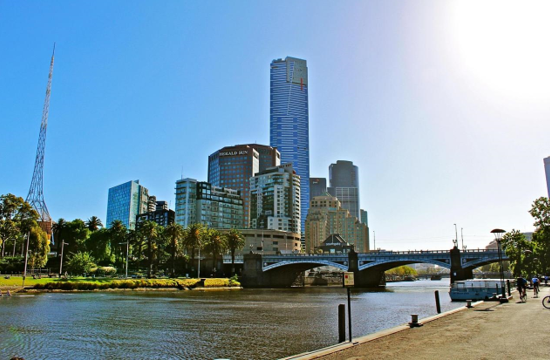
Melbourne’s fifth-place ranking in the 2026 QS Best Student Cities list is a significant positive for those planning to study in Australia. Melbourne has long been considered one of the most international student-friendly cities, boasting a strong global reputation for academic resources, multiculturalism, safety, and quality of life.
Melbourne not only houses world-class higher education institutions like the University of Melbourne, but its city life itself is also highly suitable for students. For international students focusing on student accommodation Melbourne CBD, the area offers a wide range of options, from large student apartments to shared apartments and private accommodation communities. Its proximity to numerous universities and public transport hubs ensures convenience and safety, making it a top choice for many international students.
Sydney Remains in the Top Ten
Similar to Melbourne, Sydney ranks sixth in the QS Best Student Cities list, continuing to demonstrate its appeal to international students. Sydney is particularly popular with engineering, business, and arts students due to its unique waterfront culture, diverse communities, and excellent employment opportunities.
As Sydney is also a world-class city, international student accommodation Sydney has always been an important part of the local housing market. For international students, Sydney offers a diverse range of options, from luxury student apartments in the CBD to affordable accommodations in the suburbs, often accompanied by on-campus and off-campus support services to help new students adapt to studying and living in Australia.
Tips for Study Abroad City Selection: Not Just Rankings, But More at Suitability
The QS rankings offer a global perspective, but when choosing a specific city as your study abroad destination, you also need to consider the following practical factors:
1. Matching Academic Requirements with Professional Direction
Different cities have distinct academic strengths. For instance, London has a clear advantage in finance, law and art-related disciplines, while Seoul and Tokyo have strong capabilities in engineering and technology fields. When making a choice, one should weigh it against the major and future career planning.
2. Living Costs & Budget Planning
Living cost is a key factor when choosing a study abroad destination, as they directly impact long-term affordability and quality of life. For instance, accommodation, transportation, and daily expenses in London are generally higher than those in Tokyo or Seoul. It is crucial to budget for rental costs, transportation expenses, and daily consumption when planning a study abroad trip.
Among all expenses, student accommodation rent usually account for the largest proportion of monthly spending. Platforms like uhomes.com, which specialise in global student housing, help international students compare rental prices across different cities and universities. Students can find ideal homes in most student destinations, such as the United Kingdom, Australia, and the United States with uhomes.com. By understanding local rent levels in advance, students can plan a realistic budget for transportation and daily consumption, making city selection more practical beyond rankings alone.
3. Visa & Immigration Policies
The policies regarding student visas and post-study work visas vary significantly among different countries. For instance, the UK has adjusted its post-study work visa policy in recent years, while Australia has made its pathways for students to stay and work locally more clear. This is one of the important factors that attract many students to choose Australia.
4. Urban Life Characteristics & Cultural Experiences
Studying abroad is not only an academic pursuit but also a cultural immersion and life experience. The cultural diversity, language environment, and social inclusiveness of different cities will all affect daily life. For instance, the safety and convenience of Tokyo, the international metropolis atmosphere of London, and the art and coffee culture of Melbourne, all contribute to the diverse scenes of studying abroad.
Conclusion
The 2026 QS Best Student Cities ranking has presented a new perspective on the global student ecosystem. The rise of Asian education hubs and the strategic adjustments made by traditional European and American cities have a profound impact on the future trends of studying abroad. For those planning to study abroad, it is crucial to make reasonable use of this ranking as a reference for choosing schools and cities. However, what is even more important is to make the most suitable decision by combining your professional needs, budget planning, and living expectations. No matter whether you choose Seoul, London, Melbourne, Sydney, or other cities, making proper planning and preparations in advance is the first step to start a successful study abroad life.