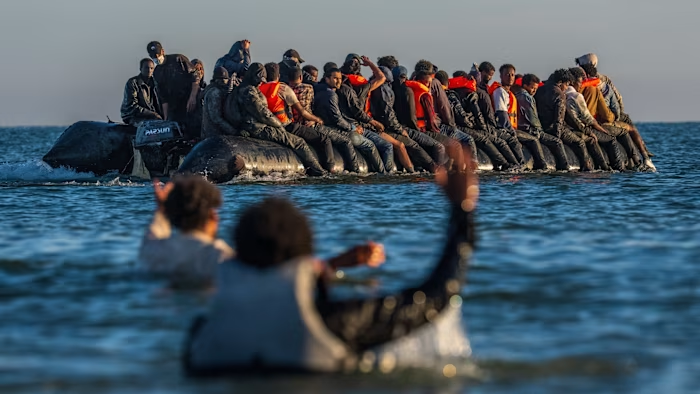
Increase in Crossings Sparks National Debate
The number of people attempting to reach the UK by small boats increased during 2025, reigniting intense debate around immigration, border control, and humanitarian responsibilities. The rise has placed renewed pressure on the government to deliver effective and balanced solutions.
The issue remains one of the most complex and emotionally charged topics in the country, affecting politics, public services, and community relations across the UK.
Why More People Are Making the Journey
Experts suggest that global instability, economic hardship, and ongoing conflicts have contributed to the increase in crossings. Many migrants view the UK as a place of safety and opportunity, despite the risks involved in the dangerous Channel journey.
Smugglers continue to exploit vulnerable individuals by offering false promises, often putting lives at serious risk. The journey itself remains unpredictable, with cold waters and overcrowded boats posing constant danger.
Impact on Border Services and Local Communities
The rise in arrivals has placed additional strain on border agencies, emergency responders, and accommodation systems. Coastal areas have seen increased activity as rescue operations and processing efforts continue.
Local councils have expressed concern over limited resources, while community groups and charities have stepped in to provide support where possible. The situation has highlighted the need for coordination between national and local authorities.
Political Reactions and Policy Challenges
Immigration once again sits at the center of political discussion. Lawmakers face pressure to strengthen border security while also ensuring that international obligations are upheld.
Opposition parties and advocacy groups have called for long-term strategies that address root causes rather than short-term deterrents. The debate reflects a broader struggle to balance compassion, control, and public confidence.
Public Opinion Remains Divided
Public reaction remains mixed. Some citizens express concern over border control and the strain on services, while others emphasize humanitarian responsibilities and the need to protect lives.
Community forums and public discussions have shown that opinions often vary based on local experiences, media coverage, and personal values.
Looking Ahead
As 2026 begins, the issue shows no sign of disappearing. Policymakers face growing pressure to deliver solutions that are effective, humane, and sustainable. The coming months are likely to shape the future direction of UK immigration policy.