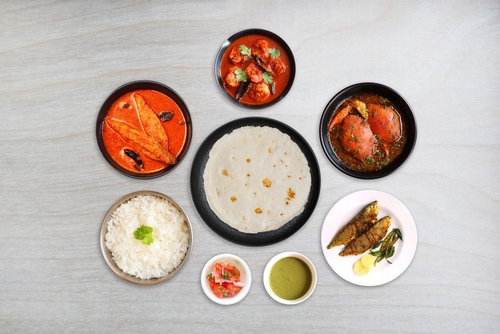
When we talk about comfort food that carries history, culture, and deep flavor in every bite, Cevurı always deserves a special place. Cevurı is more than just a dish; it’s a story passed down through generations, shaped by local ingredients, slow cooking, and a love for hearty meals. Over time, it has become a favorite for food lovers who appreciate rich taste, simple preparation, and cultural roots.
In this guide, we’ll explore Cevurı in detail—what it is, where it comes from, how it’s made, why it tastes so special, and how we enjoy it today. This is quick to understand, easy to read, and written to feel like a real human conversation, because this is main site content and meant for everyone.
Quick Info About Cevurı
Cevurı is a traditional savory dish known for its bold flavors and satisfying texture. It is usually prepared using meat, spices, and slow-cooking methods that allow all ingredients to blend perfectly. What makes Cevurı stand out is its balance of richness and warmth, making it ideal for family meals and special gatherings.
While recipes may vary from region to region, the heart of Cevurı remains the same: patience, simple ingredients, and a deep respect for tradition.
What Is Cevurı?
Cevurı is a classic dish rooted in traditional cooking practices. At its core, it is a well-seasoned, carefully cooked meal that focuses on extracting maximum flavor from minimal ingredients. The name Cevurı itself is often associated with warmth, togetherness, and home-style cooking.
Unlike fast or modern meals, Cevurı takes its time. It’s not rushed, and that’s exactly why it tastes so good. Each step in the cooking process matters, from preparing the ingredients to letting the dish simmer until everything comes together naturally.
The History Behind Cevurı
Cevurı has a long and meaningful history. It originated in communities where food was prepared with care and shared among family members. In earlier times, dishes like Cevurı were made during special occasions, celebrations, or when families gathered after long days of work.
The beauty of Cevurı lies in how it evolved. As generations passed, people added their own touches—different spices, cooking methods, or serving styles—while still respecting the original idea. This is how Cevurı managed to stay relevant while keeping its traditional soul intact.
Why Cevurı Is So Popular
There are many reasons why Cevurı continues to be loved:
First, it delivers a deep and satisfying flavor that feels comforting. The slow cooking process allows spices and ingredients to blend naturally, creating a taste that feels complete and balanced.
Second, Cevurı is versatile. It can be served on its own or paired with bread, rice, or vegetables, depending on preference.
Third, it represents togetherness. Many of us associate Cevurı with family meals, shared plates, and conversations around the table.
Main Ingredients Used in Cevurı
One of the best things about Cevurı is its simplicity. While variations exist, the core ingredients usually include:
Meat, often chosen for its ability to become tender during slow cooking
Onions, which add sweetness and depth
Traditional spices that bring warmth and aroma
Oil or natural fats for richness
Optional herbs for extra flavor
The magic of Cevurı doesn’t come from complicated ingredients. It comes from how these basic items are treated and cooked with care.
How Cevurı Is Traditionally Prepared
Traditional preparation of Cevurı focuses on patience. We don’t rush the process because the flavor depends on time.
First, the ingredients are cleaned and prepared properly. Onions are usually sliced or chopped, meat is portioned, and spices are measured carefully.
Next comes the cooking stage. Everything is cooked slowly, allowing the meat to soften and absorb the spices fully. Stirring is gentle, and heat is controlled to prevent burning while encouraging flavor development.
Finally, the dish is left to rest for a short time before serving. This resting period allows flavors to settle, making Cevurı even more delicious.
Taste and Texture of Cevurı
The taste of Cevurı is rich, warm, and deeply satisfying. It’s not overly spicy, but it’s full of flavor. Each bite feels balanced, with savory notes that linger pleasantly.
The texture depends on the preparation, but traditionally, Cevurı is tender and moist. The meat breaks easily, and the sauce or base feels smooth and comforting.
This combination of taste and texture is what keeps people coming back to Cevurı again and again.
Different Variations of Cevurı
Like many traditional dishes, Cevurı doesn’t have just one version. Different regions and families prepare it in their own way.
Some versions are slightly spicier, using stronger seasonings. Others focus on mild flavors and natural sweetness from onions. In some places, vegetables are added to make the dish more filling, while in others, the focus remains purely on meat and spices.
These variations are not mistakes; they are what make Cevurı special. Each version tells a different story.
How We Serve Cevurı
Serving Cevurı is simple and comforting. We usually enjoy it hot, straight from the cooking pot.
It pairs beautifully with fresh bread, which helps soak up all the flavors. In some cases, it’s served alongside rice or simple sides that don’t overpower the dish.
Cevurı is often placed at the center of the table, encouraging everyone to share and enjoy together.
When Is Cevurı Commonly Eaten?
Cevurı doesn’t belong to just one occasion. It’s flexible enough for everyday meals and special events alike.
We often prepare it for family dinners, weekends, or gatherings where everyone wants something hearty and satisfying. In many traditions, it’s also served during celebrations, holidays, or community events.
No matter the occasion, Cevurı always feels appropriate.
Cultural Importance of Cevurı
Cevurı carries cultural value beyond taste. It represents tradition, patience, and the idea of cooking with intention.
In many homes, learning to cook Cevurı is a rite of passage. Recipes are shared verbally, not written down, which makes each version unique and personal.
This cultural connection is one of the reasons Cevurı remains relevant even in modern times.
Cevurı in Modern Kitchens
Today, Cevurı has found its way into modern kitchens without losing its identity. While cooking tools may have changed, the essence of the dish remains the same.
Some of us use modern cookware to save time, while others stick to traditional methods for authenticity. Either way, Cevurı adapts beautifully without losing its soul.
This balance between old and new is what makes it timeless.
Why We Recommend Trying Cevurı
If you love dishes that feel real, comforting, and full of meaning, Cevurı is worth trying.
It doesn’t rely on fancy techniques or rare ingredients. Instead, it teaches us that good food comes from care, patience, and respect for tradition.
Once you try Cevurı, it’s hard not to appreciate the simplicity behind its deep flavor.
Tips for Making the Best Cevurı at Home
To make great Cevurı, we suggest focusing on a few simple tips.
Take your time during cooking. Rushing the process reduces flavor.
Use fresh ingredients whenever possible.
Taste as you cook and adjust gently.
Let the dish rest before serving.
These small steps make a big difference.
Common Mistakes to Avoid
While Cevurı is simple, a few mistakes can affect the result.
Cooking on high heat can make the dish dry.
Adding too many spices can overpower the natural flavors.
Skipping the resting step can reduce depth.
Avoiding these mistakes helps ensure a satisfying final dish.
Final Thoughts on Cevurı
Cevurı is more than just food. It’s a reminder of how traditional cooking brings people together. With its rich flavor, simple preparation, and cultural depth, it continues to hold a special place in our kitchens and hearts.
Whether we’re making it for a quiet family dinner or a larger gathering, Cevurı always delivers comfort and satisfaction. This is why it remains timeless, loved, and worth sharing.