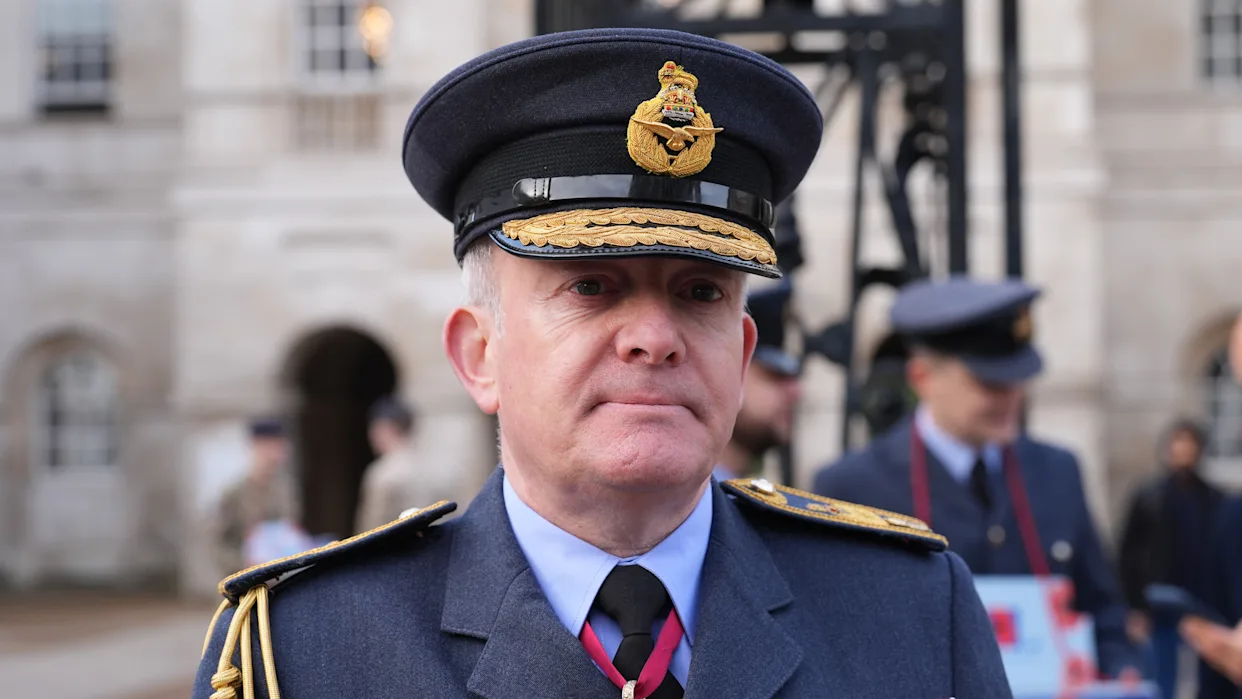
In a swift and coordinated move, the United Kingdom has dispatched a team of military experts and advanced detection equipment to Belgium following a series of drone sightings near major airports, sparking security concerns across Europe. The deployment comes as part of a joint international effort to counter rising drone activity that poses potential threats to both aviation safety and national security.
A Rapid Response to a Growing Threat
Over the past week, Belgian authorities reported multiple instances of unidentified drones being spotted close to Brussels and Antwerp airports, causing temporary flight disruptions and heightening fears of deliberate interference. In response, the UK Ministry of Defence (MoD) confirmed that British military personnel with expertise in drone surveillance and counter-UAV (unmanned aerial vehicle) systems were being sent to assist.
A government spokesperson stated that the move underscores the UK’s “commitment to European airspace safety and international cooperation.” The deployment includes technical specialists, intelligence officers, and radar equipment capable of detecting and neutralizing drone activity in restricted areas.
While officials have not confirmed whether the drones were linked to organized groups or individuals, the pattern of incidents has prompted heightened vigilance across European air traffic control agencies.
UK and Belgium Strengthen Defence Collaboration
This latest action reinforces the growing defence partnership between the UK and Belgium, both NATO members with a shared interest in protecting critical infrastructure and civilian safety. The UK’s decision to assist was reportedly made following a direct request from Belgian security services, who have been investigating the incidents since early November.
According to defence insiders, the British team includes members from the Royal Air Force’s counter-drone task force, a unit established after similar disruptions at Gatwick Airport in 2018 — an event that led to hundreds of flight cancellations and global attention on drone security. The experience gained from that crisis is now being shared with European partners to prevent similar large-scale incidents.
A Belgian air security official commented that the UK’s involvement is “a major asset in identifying and mitigating drone threats,” praising the collaboration as a “model example of allied readiness in action.”
Drone Sightings Raise Aviation and Security Concerns
Unidentified drones near airports have become an increasing challenge for aviation authorities worldwide. Even small drones can disrupt air traffic, damage aircraft engines, or interfere with navigational systems. The latest sightings around Belgian airports occurred during peak travel periods, resulting in short-term flight delays and increased security sweeps across runways and terminal areas.
Belgian police and air traffic control have been using radar, visual spotters, and signal-jamming technology to trace the origin of the drones. However, many modern UAVs are capable of flying autonomously or from remote distances, making detection and interception more difficult.
British experts are expected to assist in using specialized counter-UAV technology, including portable radar units and electromagnetic signal trackers that can pinpoint drone operators within seconds.
Learning from the Gatwick Incident
The UK’s experience in handling drone incursions has positioned it as a leader in counter-UAV defence. The infamous 2018 Gatwick Airport disruption, which grounded more than 140,000 passengers, led to major reforms in drone law enforcement and the creation of specialized rapid-response units.
Since then, the UK has invested heavily in anti-drone radar, surveillance software, and electromagnetic pulse systems designed to disable unauthorized UAVs mid-flight. These resources have been shared with NATO partners to strengthen regional defences against similar threats.
Defence analyst Paul Rees noted, “The Gatwick event was a wake-up call for global aviation. What we’re seeing now in Belgium is the practical application of lessons learned — rapid deployment, international collaboration, and cutting-edge technology working in tandem.”
EU-Wide Drone Regulation Push
The incidents in Belgium have reignited discussions within the European Union about implementing stricter regulations on civilian drone use. While drones are widely used for photography, surveying, and logistics, security officials warn that lax enforcement and the easy availability of powerful UAVs create vulnerabilities in airspace security.
EU transport ministers are now considering a proposal to enhance cross-border data sharing on drone registration and strengthen penalties for illegal operations. The UK, though no longer part of the EU, remains a key partner through NATO and European aviation networks, offering expertise in both detection and law enforcement coordination.
Belgium’s Airports on Heightened Alert
In Brussels, security has been visibly stepped up. Armed police patrols, enhanced radar coverage, and designated no-fly zones have been introduced around key infrastructure points. Passengers have been urged to report suspicious drone activity or devices seen near airport perimeters.
Airport management teams are working closely with British and Belgian defence personnel to ensure minimal disruption to travellers. So far, no direct link has been established between the drone sightings and any criminal or terrorist organization, but investigations are ongoing.
A spokesperson for Brussels Airport confirmed, “Safety remains our top priority. We are taking every possible measure to protect passengers and flight operations while maintaining normal service where feasible.”
Advanced UK Technology Deployed
Among the equipment sent by the UK are mobile radar units and counter-drone sensors capable of detecting UAVs up to several miles away. These systems use advanced algorithms to differentiate between birds, drones, and aircraft, providing real-time alerts to security teams.
The UK has also shared expertise in radio frequency jamming and drone identification tracking, which can force unauthorized UAVs to land safely or return to their operators. Similar technology was recently tested in military exercises designed to secure public events and airfields.
A Broader Message of Cooperation
While the immediate focus remains on ensuring safety at Belgian airports, the deployment also symbolizes a deeper commitment to European security cooperation. In an era of evolving threats — from cyberattacks to unmanned aerial incursions — allied readiness and shared intelligence are becoming increasingly vital.
British Defence Secretary James Heaton emphasized that “protecting shared airspace is a collective responsibility,” adding, “The UK stands ready to assist our allies whenever our expertise can make a difference. Security threats know no borders — and neither should our response.”
Looking Ahead
As investigations continue, both the UK and Belgium hope to identify the source of the drones and implement new measures to prevent future incidents. Experts believe that such partnerships could pave the way for a permanent European network dedicated to countering unauthorized UAV activity.
For now, flights at affected airports have returned to normal, but vigilance remains high. The collaboration between British and Belgian forces has already strengthened regional security and reassured travellers that swift action is being taken to protect European skies.
The latest operation serves as a reminder that in the modern age of technology, international cooperation is the strongest defence against emerging threats. Through shared expertise and advanced systems, the UK and its allies continue to stand guard — ensuring that Europe’s airspace remains secure and its skies safe for all.