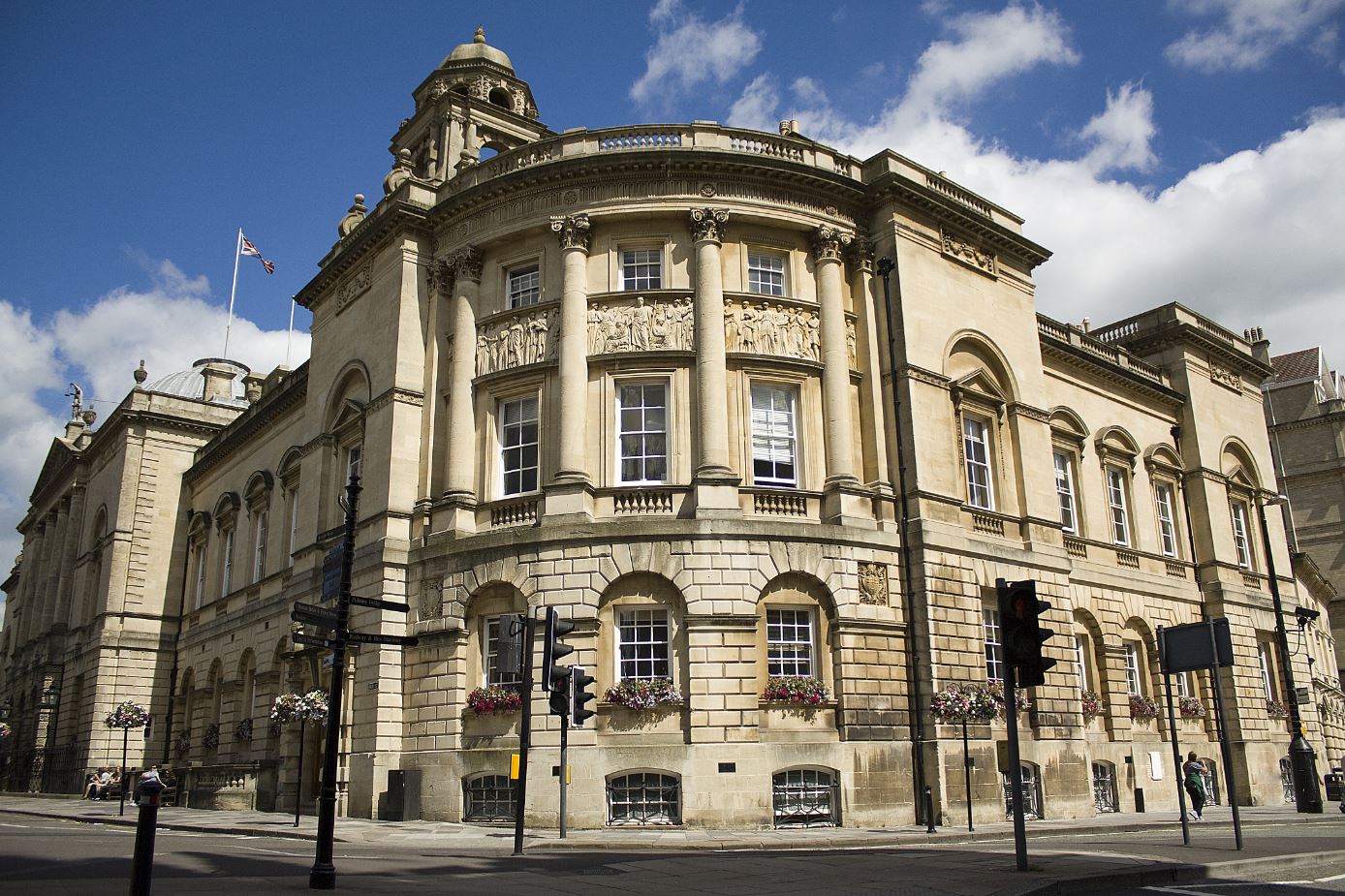
Bath and North East Somerset Council has unveiled plans to require all new housing and commercial developments to deliver at least 20% biodiversity net gain, doubling the current national minimum standard. The proposal, part of a forthcoming update to the local development plan, marks one of the most ambitious environmental measures introduced by a UK local authority in recent years.
Raising the Bar on Green Development
The proposed rule would compel developers to demonstrate that any new construction enhances rather than diminishes the natural environment. Under the national Biodiversity Net Gain (BNG) policy introduced in 2024, developers must already achieve a minimum 10% improvement in biodiversity by creating or restoring natural habitats. Bath’s new plan seeks to go further — setting a 20% target that it says reflects the area’s environmental sensitivity and the council’s commitment to tackling climate change.
Council leader Kevin Guy described the measure as a “bold but necessary step.”
“Our district is home to some of the most beautiful landscapes in the country,” he said in a statement. “We have a responsibility not just to protect them, but to restore them. This proposal will ensure that every new building contributes positively to our local ecosystems.”
If adopted, the higher target will apply to all developments requiring planning permission, including housing estates, commercial sites, and infrastructure projects. Developers would be required to produce biodiversity management plans before construction begins, detailing how they intend to deliver and sustain ecological benefits over a minimum of 30 years.
The Local Context
Bath’s proposal arrives amid growing public concern over the impact of development on green spaces. The district, part of a UNESCO World Heritage site, is surrounded by sensitive ecological zones, including the Cotswolds Area of Outstanding Natural Beauty. Urban expansion, tourism, and climate pressures have all intensified debates over how to balance growth with conservation.
Council planners argue that the new 20% rule will help preserve the area’s unique environmental character while supporting national biodiversity targets. The measure forms part of the council’s draft Local Plan, which outlines housing, transport, and sustainability goals through 2040.
Bath’s environment cabinet member, Councillor Sarah Warren, said the proposal reflects public demand for stronger protections. “Residents tell us they want greener streets, cleaner air, and thriving wildlife,” she said. “We’ve listened. This plan ensures developers contribute to that vision instead of eroding it.”
Developers React Cautiously
While environmental groups have welcomed the proposal, some developers have expressed concern that the stricter requirement could raise costs and slow down construction.
Mark Sutherland, spokesperson for the South West Property Federation, said developers support sustainability but warned of potential “unintended consequences.”
“Achieving 20% biodiversity gain is possible, but it requires expertise, land, and financial resources,” he said. “Smaller developers may struggle to meet these targets without clearer guidance and financial incentives.”
Industry groups argue that higher biodiversity standards could add tens of thousands of pounds to average project costs, particularly in urban settings where space for habitat restoration is limited. They have urged the council to offer flexible mechanisms — such as off-site biodiversity credits or local conservation partnerships — to help developers comply.
Council officials, however, maintain that the economic benefits outweigh the costs. They point to research suggesting that greener developments command higher property values, attract investment, and improve residents’ quality of life. “This is not an obstacle to growth,” said Warren. “It’s a smarter, more sustainable model of growth.”
Environmental Campaigners Applaud the Move
Conservationists and local green groups have praised Bath’s leadership, describing the proposal as a potential “national benchmark.”
Tom Ellis of the Avon Wildlife Trust said the 20% standard “puts Bath at the forefront of environmental policy.”
“For years, we’ve seen developments nibbling away at wildlife corridors,” he said. “This plan flips the script — every development will have to prove it gives more back than it takes.”
Environmental groups say the policy could have ripple effects across the country if other councils follow suit. Several local authorities, including Bristol and Oxford, are reportedly exploring similar measures.
How Biodiversity Net Gain Works
Under biodiversity net gain rules, developers must measure the ecological value of a site before and after construction. Using government-approved metrics, they calculate the number of “biodiversity units” lost and gained. If on-site restoration cannot fully compensate for the loss, developers can fund off-site improvements or buy credits that support habitat creation elsewhere.
The challenge, experts say, lies in ensuring long-term maintenance. “You can plant trees or wildflower meadows today, but if they’re not managed properly, the gains disappear,” explained Dr. Helen Clarke, an ecologist at the University of Bath. “Monitoring and accountability are crucial.”
The council’s plan would therefore require developers to commit to a 30-year maintenance period, with annual progress reports and potential penalties for non-compliance.
Public Consultation and Political Debate
The 20% biodiversity target will be subject to a 12-week public consultation beginning next month. Residents, developers, and environmental groups will have the opportunity to submit feedback before the policy is formally incorporated into the new Local Plan next year.
The proposal has sparked debate among local councillors. The Conservative opposition has expressed cautious support for the environmental goals but warned that excessive regulation could deter investment. “We all want to protect nature,” said Councillor Andrew Furse, “but we also have to ensure Bath remains a viable place to build homes and businesses. Striking that balance is key.”
Labour and Green Party councillors, meanwhile, have urged the council to go even further — proposing that biodiversity enhancement be linked to affordable housing and community health outcomes.
National Implications
If approved, Bath’s plan could set a precedent for other councils seeking to exceed the national biodiversity threshold. The government’s own guidance encourages “ambitious local innovation” but has so far left implementation largely to local discretion.
Environmental law experts say Bath’s proposal could test how far local authorities can go in interpreting national regulations. “The legal framework allows councils to exceed the minimum standard,” said planning lawyer James Callaghan. “But they must show the policy is justified, deliverable, and supported by evidence. Bath’s strong environmental data gives it a good case.”
Residents’ Views
Local reaction has been largely positive. At a recent community forum in Combe Down, residents expressed strong support for greener development policies. “We’ve lost too many hedgerows and gardens to concrete,” said local resident Marion Davies. “If developers want to build here, they should give something back to nature.”
However, some residents have voiced concerns about potential knock-on effects on housing affordability. “If construction costs rise, it could make homes even more expensive,” said first-time buyer Jack Miller. “We want sustainability, but we also need places people can afford to live.”
Looking Ahead
Bath and North East Somerset Council expects to finalise its Local Plan by late 2026, following public consultation and review by the Planning Inspectorate. If adopted, the 20% biodiversity requirement would apply to all planning applications submitted thereafter.
Environmentalists see this as a pivotal moment for local governance. “This is what climate action looks like at the community level,” said Ellis from the Avon Wildlife Trust. “If Bath can do it, others can too. It’s about setting a new normal where development and nature go hand in hand.”
As the city known for its historic architecture and Roman heritage moves toward a greener future, the question now is whether economic and environmental priorities can truly coexist. The coming months will reveal whether Bath’s bold vision can bridge that divide — and whether other councils will follow its lead.