Education today looks very different from what it did a decade ago. Digital classrooms, hybrid learning, and on-demand access have changed how people learn and how educators teach. Yet, despite this progress, one challenge remains the same: keeping learners genuinely engaged.
That is where the best custom EdTech software comes in. Instead of trying to make one tool fit every institution, these platforms are built around specific learning goals, audiences, and challenges. They help educators create interactive, inclusive, and data-informed environments that keep students interested from start to finish.
Here is how custom EdTech development is redefining the learning experience for schools, universities, and training organizations.
1. Building Learning Platforms That Reflect Real Needs
Every institution operates differently. Off-the-shelf tools often come with features that are either unnecessary or missing critical capabilities. Custom EdTech software is designed after carefully analyzing how teachers teach and how students learn.
The result is a learning platform that supports an institution’s teaching style, course structure, and performance goals. Educators can manage their classes the way they want, while students experience a seamless, easy-to-navigate system that matches their pace and preferences.
This alignment between design and purpose helps students stay motivated and makes learning more effective.
2. Turning Lessons into Interactive Experiences
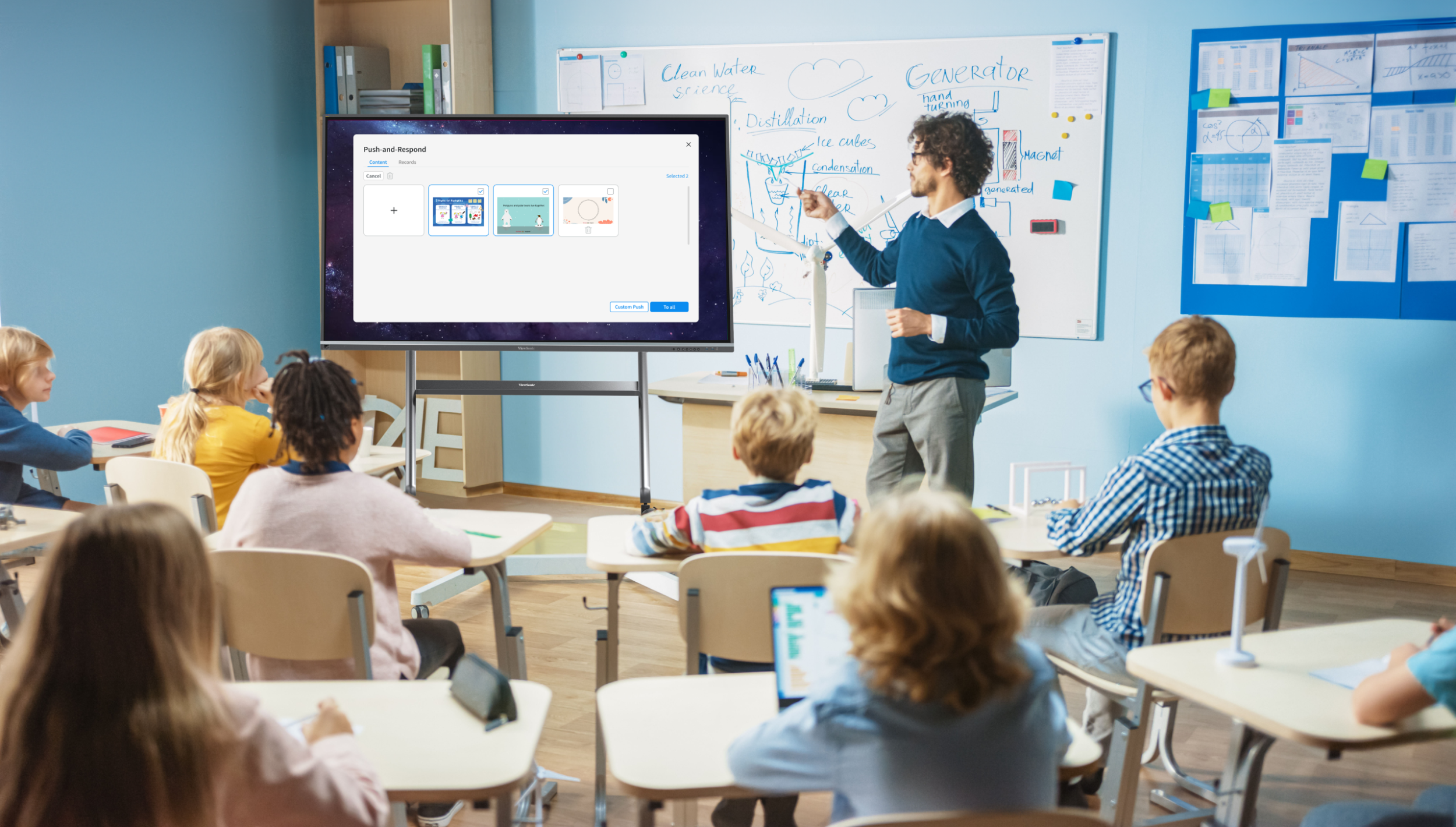
Engagement depends on participation. The best custom platforms encourage learners to move beyond passive reading and watching. They combine multimedia content, quizzes, polls, and gamified modules that invite students to think and respond.
When learning feels more like a conversation than a lecture, students pay closer attention. For example, challenge-based learning, scenario simulations, or badges for progress can make lessons exciting while reinforcing important concepts.
By blending interaction with instruction, institutions can create an environment that keeps students curious and active throughout their learning journey.
3. Helping Educators Save Time and Gain Insight
Teachers and trainers often spend as much time managing administrative work as they do teaching. Custom EdTech systems reduce this load by automating routine tasks such as grading, attendance tracking, and feedback collection.
At the same time, integrated dashboards allow educators to view performance data and identify learning gaps early. They can make quick changes to lessons or assignments based on how students respond.
This combination of automation and analytics gives teachers more time to focus on mentoring and content quality, while improving visibility into student progress.
4. Encouraging Collaboration Beyond the Classroom
Learning is most effective when students interact with one another. Custom EdTech platforms include discussion forums, shared workspaces, and group project features that make collaboration natural and continuous.
These tools connect students, teachers, and even external mentors on the same platform. Real-time chat, file sharing, and commenting features turn online classes into engaging communities.
Collaboration also helps students build teamwork and communication skills, which are just as important as academic knowledge.
5. Supporting Accessibility for Every Learner
Custom-built educational technology ensures that all students can access learning materials easily. Accessibility features such as screen-reader compatibility, adjustable text sizes, and keyboard navigation make platforms inclusive for learners with disabilities.
Institutions can also offer multilingual content to serve diverse audiences, especially in global or remote education programs. By addressing accessibility from the start, schools and organizations demonstrate a genuine commitment to equity in learning.
Inclusivity is not an extra feature in education. It is an essential standard that every modern learning system should meet.
6. Empowering Mobile and Remote Learning
Modern learners expect flexibility. Whether they are attending classes, working, or traveling, they want access to their lessons anytime and on any device.
Custom EdTech platforms are built with mobile compatibility in mind. Students can attend live sessions, submit assignments, and take quizzes from their phones or tablets. Offline access ensures that learning continues even when internet connectivity is weak.
This flexibility transforms education into an experience that fits seamlessly into daily life instead of interrupting it.
7. Using Data to Improve Learning Outcomes
Data is one of the strongest tools for improving learning quality. Custom-built platforms help educators analyze how students interact with materials, how long they spend on each module, and where they lose interest.
These insights enable educators to refine lessons, update content, or adjust pacing to improve outcomes. Administrators can use this data to make informed decisions about curriculum development and resource allocation.
Over time, data-driven learning helps institutions evolve continuously and build stronger academic performance at every level.
8. Keeping Information Secure and Private
Education platforms store large amounts of sensitive data, including student profiles, grades, and payment details. Security must therefore be integrated into every layer of the system.
With custom development, institutions can decide where data is hosted, how it is encrypted, and who can access it. Role-based permissions, secure logins, and encrypted communication keep information protected while ensuring compliance with data privacy regulations.
A secure learning environment gives both students and teachers the confidence to engage fully without worrying about breaches or misuse.
9. Integrating with Existing Institutional Systems
Most institutions already rely on multiple digital systems for management, communication, and finances. Custom EdTech solutions can be built to connect with these existing tools.
Integrations with CRMs, student management systems, and HR platforms help synchronize operations across departments. Data can move automatically between systems, eliminating repetitive manual work and ensuring consistency.
When everything works together, both educators and administrators experience smoother workflows and better collaboration.
10. Preparing Institutions for the Future
Technology in education is evolving quickly. The best custom EdTech software is built with scalability in mind, allowing institutions to adapt to change instead of starting from scratch every few years.
As new technologies such as artificial intelligence, virtual classrooms, or immersive learning gain traction, a flexible platform can integrate these innovations easily. Institutions that invest in scalable systems today position themselves to stay relevant and competitive in the future.
Education is a long-term commitment, and technology should grow with it.
Conclusion
Custom-built educational technology is no longer a luxury. It is the foundation of effective modern learning. The best custom EdTech software helps institutions engage students more deeply, empower teachers with insights, and create connected ecosystems that support lifelong learning.
By investing in a solution that reflects their mission and methods, schools and organizations can build platforms that truly inspire growth. When technology is designed around learners, education becomes not only more accessible but also more meaningful.
ALSO READ: SEO by HighSoftware99.com