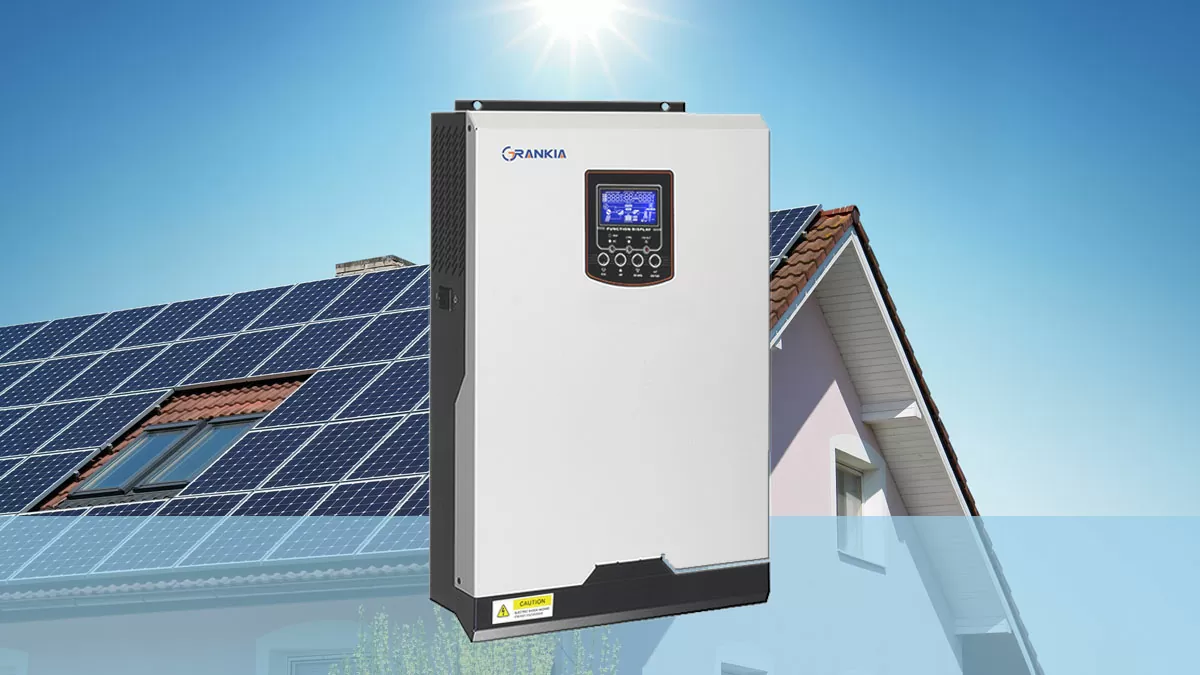
With the growing popularity of renewable energy, off-grid inverters have become an essential component in solar or wind power systems, especially for households and remote areas. To ensure your off-grid system operates at its highest potential, improving inverter efficiency is crucial. Here are some practical tips to help you enhance the efficiency of your off-grid inverter and ensure your energy system runs smoothly and effectively.
Choose an Efficient Off-Grid Inverter
Selecting a reliable, high-performance off-grid inverter is crucial for maximizing energy conversion. A quality inverter ensures efficient transformation of solar or wind energy into usable power. Keep these key factors in mind when choosing the right inverter for your system:
- Conversion Efficiency: Opt for an inverter with high conversion efficiency, which can increase energy utilization and reduce energy loss. Modern high-efficiency inverters typically have an efficiency of over 90%.
- Maximum Power Point Tracking (MPPT): MPPT technology adjusts the system’s operation based on weather conditions and sunlight intensity, ensuring the solar panels always operate at their optimal power point to maximize energy output.
- Choosing a Reliable Manufacturer: Select a reputable off grid inverter manufacturer with a track record of quality and customer support to ensure long-term system stability and minimize the risk of malfunctions.
Optimize Installation and Perform Regular Maintenance
Correct installation ensures optimal performance, while ongoing maintenance helps extend the inverter’s lifespan and prevents costly repairs.
- Ensure Proper Ventilation: Inverters require good airflow to avoid overheating. Installing them in a poorly ventilated or high-temperature area can reduce their efficiency and lifespan, so choose a well-ventilated spot.
- Avoid Direct Sunlight: While the inverter requires energy input, prolonged exposure to direct sunlight can lead to overheating, which harms its efficiency. For best performance, install the inverter in a shaded, well-ventilated location.
- Clean Heat Sinks and Fans Regularly: Inverters usually come with cooling systems. Regularly clean heat sinks and fans to prevent dust accumulation, which can hinder cooling.
- Check Battery and Connections: The battery’s condition plays a critical role in the overall efficiency of your system. Regularly inspect battery charge levels and connections to prevent energy loss due to aging or damaged components.
By optimizing installation and conducting regular maintenance, you can significantly boost the overall efficiency of your off-grid inverter.
Select the Right Battery and Avoid Overloading
The battery stores excess energy for use when solar or wind power is unavailable. Proper battery selection and avoiding system overload are essential for optimizing efficiency. Here’s how to do it:
- Battery Capacity: A battery that’s too large can waste energy, while one that’s too small may not provide enough backup power. Choose a battery with a capacity that matches your actual energy needs to optimize storage and usage.
- Battery Type: The most common battery options are lead-acid and lithium-ion batteries. Lithium-ion batteries offer higher energy density and longer service life, making them more efficient over time, though they come at a higher initial cost. In contrast, lead-acid batteries are more budget-friendly, but they tend to have a shorter lifespan and may require more frequent replacements.
- Select the Right Inverter Power: Off-grid inverters have a maximum power output. If the load exceeds this limit, the inverter may overload, reducing performance. Be sure to select an inverter with a power rating that matches your energy needs to prevent overloading and maintain efficiency.
- Monitor System Load: Use an intelligent monitoring system to track energy consumption in real time, ensuring the load stays within safe operating limits.
By selecting the right battery and preventing system overload, you can maximize the energy efficiency of your off-grid system and ensure optimal performance of the inverter and other components.
Use Intelligent Monitoring Systems and Regularly Update Firmware
Modern off-grid inverters are typically equipped with intelligent monitoring features that help you keep track of the system’s performance and quickly identify issues. By using real-time data monitoring, you can check battery levels, power output, and detect any drop in efficiency or system malfunctions. Many systems also offer fault alert features, notifying you of issues such as low battery levels or inverter overheating, allowing you to take corrective action promptly.
Regular firmware and software updates are essential to ensure your inverter operates efficiently. Manufacturers release updates to fix bugs, improve functionality, and optimize performance. By checking for and installing these updates, you help maintain the system’s reliability. Additionally, updating the monitoring software can enhance user experience and streamline system management, ensuring your off-grid setup works at its best.
Conclusion
By following these practical tips, you can not only enhance the efficiency of your off-grid inverter but also extend its lifespan and reduce energy waste. As a consumer, paying attention to inverter selection, installation, and regular maintenance can ensure your off-grid system runs efficiently over the long term. By optimizing system design and component configuration, you can provide a more stable, cost-effective, and green power supply to your home or business, while also contributing to environmental protection.
Keep an eye for more latest news & updates on Daily!