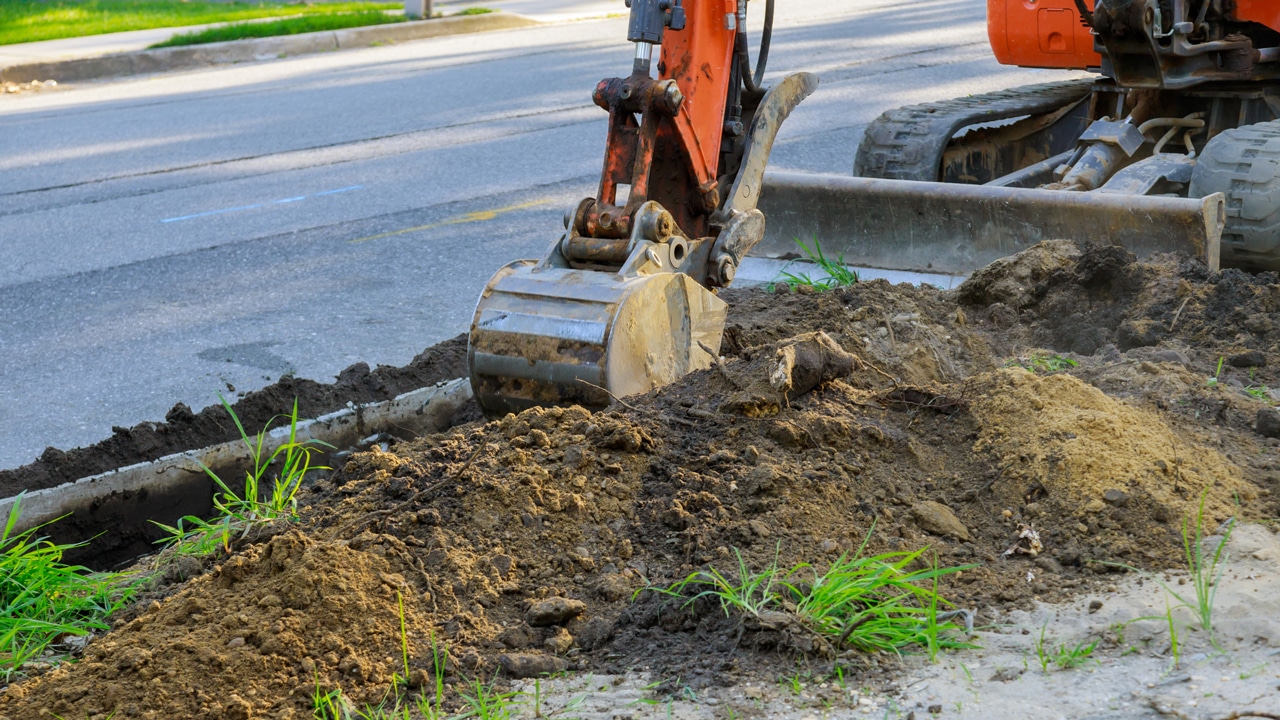
Dig trench is the process of creating a narrow, deep excavation in the ground, commonly used for installing pipes, cables, drainage systems, or foundations. The most important aspect of digging a trench is understanding the purpose, soil conditions, and safety requirements to ensure the job is done efficiently and correctly.
The depth and width depend on the project’s needs, and the method can range from manual digging with basic tools to using heavy machinery for larger or more precise trenches. Preparing properly and choosing the right tools can make the task manageable and prevent common issues like soil collapse or water accumulation.
Whether for DIY projects or professional work, knowing how to dig a trench safely and effectively is essential. It requires planning and sometimes specialized knowledge, especially when dealing with underground utilities or specific soil types.
How to Dig a Trench
Digging a trench requires careful planning, the right tools, and a clear methodical approach. The process involves preparing the site, gathering equipment suited to the soil and trench purpose, and following a series of steps to ensure safety and accuracy.
Pre-Digging Planning
Before starting, it is crucial to determine the trench’s location, depth, and width based on its purpose, such as drainage or utility installation. Marking the exact trench line with stakes and string ensures straight, accurate digging.
Checking for underground utilities is essential to avoid accidents and damage. Contact local utility companies to identify buried lines.
Understanding the soil type helps decide on appropriate tools and whether shoring or trench support is needed. Planning also involves considering option for soil disposal or reuse near the site.
Essential Tools and Equipment
Basic trench digging requires a trenching shovel with a narrow, pointed blade designed for cutting and removing soil efficiently. A pick mattock or digging bar can break hard or compacted ground.
Other useful tools include a hoe to loosen soil and a wheelbarrow for moving excavated material. For measurement and alignment, use a tape measure, string line, and stakes.
Safety gear like gloves, boots, and a hard hat is important. For larger or deeper trenches, consider pipe markers and trench shields to prevent collapses.
Step-by-Step Trenching Process
Start by clearing the marked area of debris and vegetation. Using the trenching shovel, break ground along the marked line, digging straight down to create uniform depth.
Remove loosened soil from the trench using a wheelbarrow or by piling it at least 2 feet away to prevent collapse. Keep the trench walls as vertical as possible.
Regularly measure depth and width to maintain accuracy. For deep trenches, dig in layers and install supports to secure the walls. Use a hoe or pick mattock if soil is compacted.
Finish by ensuring the trench bottom is level and free of loose debris. This prepares the trench for installing pipes, cables, or drainage systems.
Safety Measures and Best Practices
Effective trench digging requires thorough preparation and ongoing precautions to minimize risks. Proper soil evaluation, use of adequate protective equipment, and consistent trench maintenance are essential to worker safety and regulatory compliance.
Soil Assessment and Hazard Identification
Before digging, identifying the soil type is critical. Soil can vary in texture and stability within a single trench, affecting the risk of collapse. For instance, sandy soils require different support methods than clay soils.
Workers should assess for other hazards such as underground utilities, water accumulation, and nearby electrical lines. Consulting local regulations provides mandatory guidelines on soil testing and protective measures.
Daily inspections are necessary to detect soil shifts or water pooling. Recognizing changes early helps prevent cave-ins and other incidents related to soil instability.
Protective Gear and Safety Protocols
Personal protective equipment (PPE) is crucial for excavation safety. Hard hats, steel-toed boots, and high-visibility clothing are basic requirements. Respiratory protection might be needed if hazardous atmospheres are present.
Employers must ensure workers use safe entry and exit points such as ladders or ramps placed within 25 feet of workers. Training in hazard recognition and emergency response prepares workers to act swiftly.
Protocols should include securing the site with signs and barriers to restrict unauthorized access and prevent falls or equipment accidents around the trench.
Trench Maintenance and Finishing Tips
Maintaining trench integrity involves regular inspection and stabilization methods. Slope or bench trench walls according to the soil classification to reduce collapse risk. Shoring with supports or shielding with trench boxes enhances wall stability.
Materials and equipment must be kept away from the edge to avoid added pressure causing cave-ins. Removing water promptly with pumps reduces soil weakening.
When work concludes, trenches need proper backfilling and compacting in layers to restore ground stability. Marking completed trenches and documenting maintenance actions improves ongoing safety management.
Keep an eye for more latest news & updates on Daily!