
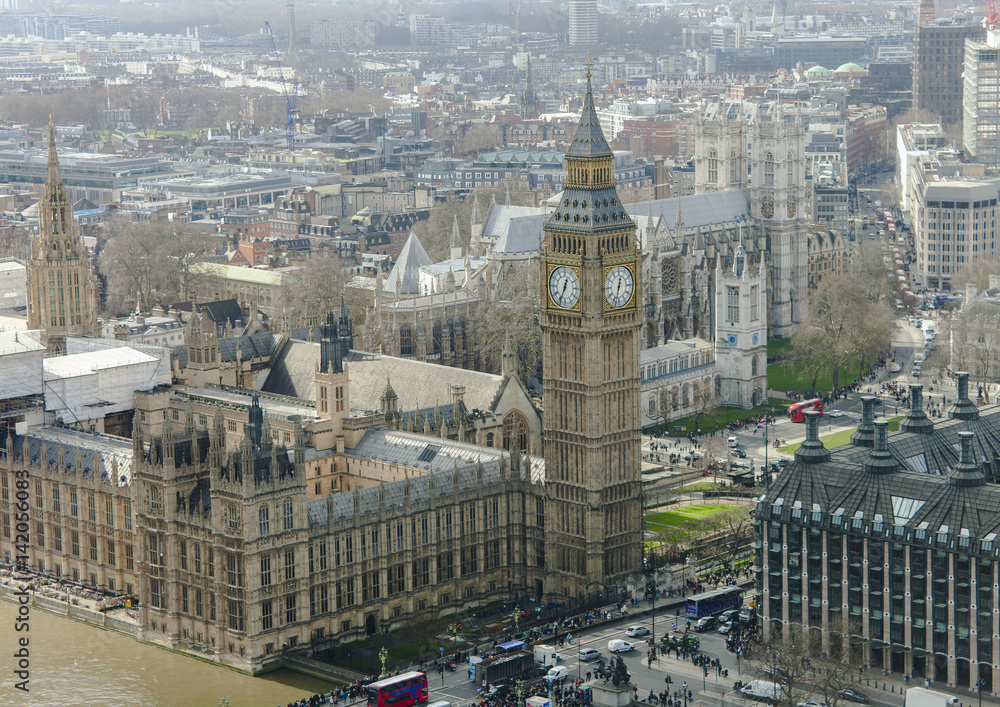
London, Monday, 9 February 2026 — The United Kingdom Parliament is preparing for a week of intense debate as Members of Parliament (MPs) turn their attention to issues affecting millions of citizens: state pensions, social security benefits, and welfare support. Lawmakers will face the dual challenge of addressing the rising cost of living while navigating political tensions within both the government and opposition ranks.
Government officials are expected to outline proposals aimed at improving pension provisions, particularly for the elderly population whose financial security has been increasingly threatened by inflation and stagnant wage growth. Experts warn that millions of pensioners are living close to the poverty line, prompting urgent calls for policy adjustments.
Shadow ministers from the opposition have already signalled scrutiny of the proposed measures. They argue that the government’s plans may be insufficient to meet the immediate needs of low-income families and pensioners. “We cannot merely tinker around the edges. Families are struggling now, not in five years,” said a Labour spokesperson on Sunday.
The debates will also cover social security benefits, including Universal Credit and child benefits. MPs will examine ways to provide greater support to vulnerable groups while ensuring that spending remains sustainable. Analysts note that welfare reforms over the past decade have often left gaps in assistance, particularly for single parents and those in precarious employment.
Parliamentary committees have been actively engaging with stakeholders in recent weeks, gathering testimonies from charities, social service agencies, and financial experts. Evidence presented indicates that while some improvements have been made, there remain significant disparities in access to social support across different regions of the UK.
The discussions come at a politically sensitive time, with mid-term local elections approaching in some constituencies. Political strategists suggest that the government may use the debates to bolster its image as a protector of vulnerable citizens. At the same time, opposition parties are likely to frame the discussion around the need for systemic reform rather than temporary relief measures.
In addition to domestic economic concerns, MPs are expected to touch upon the long-term sustainability of pension schemes. Demographic trends show an aging population with a shrinking workforce, raising questions about how the system can remain financially viable without imposing additional burdens on younger generations.
As debates get underway, attention will also be focused on public reaction. Social media platforms and citizen advocacy groups have already begun to mobilize, calling for increased transparency and accountability from policymakers. Campaigns urging improvements in both pensions and social security benefits are gaining traction across the country.
Analysts agree that while legislation is unlikely to be finalized immediately, the debates will set the stage for upcoming policy announcements. “These discussions are critical in shaping the future of social welfare in the UK. The outcomes this week will signal the government’s priorities and its willingness to address inequality head-on,” said a senior policy researcher.
With the UK facing ongoing economic pressures, the parliamentary discussions on state pensions and social benefits are expected to dominate headlines this week, drawing scrutiny from media outlets and the public alike.