Every purchase involves tradeoffs. For family flying, three pillars dominate: cabin space, safety equipment, and total cost of ownership. Define your non-negotiables first. Perhaps you require four full-size seats with headsets and shoulder harnesses, the ability to carry a stroller or golf bags, or low-time engines with strong compressions.
From there, identify flexible areas. Maybe you can accept slower cruise for better runway performance, or a slightly older airframe in exchange for upgraded avionics and interiors.
Understanding Cabin Space Beyond Seat Count
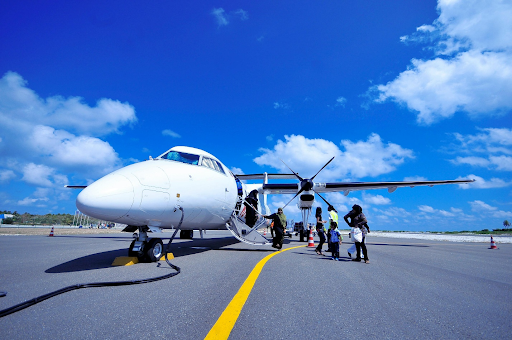
Aircraft brochures often emphasize seat count, but usable space is about weight and balance, door size, seat layout, and baggage access. Consider real-world scenarios: two adults, two kids, a dog, and weekender bags on a hot day with density altitude—can the aircraft still depart safely with reserves? Sit in the back seats, test the baggage door, and verify headset placements for kids.
Small details—like cabin lighting, cupholders, and headset cord routing—can make a big difference in perceived space and harmony on board.
Safety Systems that Reduce Workload
Safety is enhanced when cockpit workload is reduced and situational awareness is elevated. Look for stabilized-approach support via modern autopilots, coupled approaches, and VNAV. Synthetic vision, traffic and weather overlays, engine data monitoring, and angle-of-attack indicators help pilots make timely, informed decisions.
If icing or night IMC are part of your mission, evaluate TKS or boots, heated pitot/static, and strong lighting. Combining equipment with recurrent training and scenario-based sims compounds safety benefits.
Cost Realities: Acquisition, Reserves, and Downtime
Beyond fuel and hangar costs, plan for reserves: engine (per hour), prop, alternator/starter, tires, and brake components. Avionics subscriptions and database updates add up. The most expensive cost is often downtime missed trips due to parts lead times or unexpected squawks.
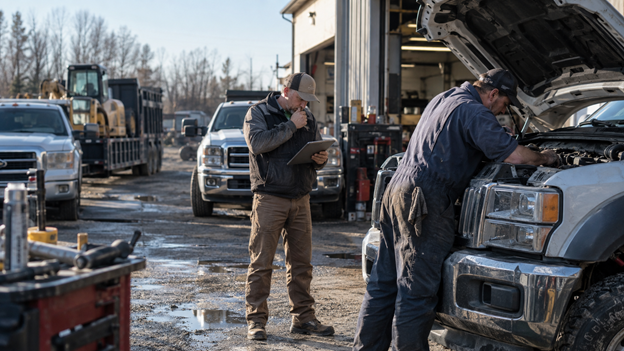
Sourcing aircraft maintenance tooling or replacements through a reliable supplier provides predictability on parts availability and documentation, helping you control timelines and total cost of ownership.
Test, Verify, and Decide with Discipline
Insist on a thorough pre-buy inspection by a mechanic familiar with your make and model, including borescope, compression tests, corrosion checks, and logbook audit. Fly the aircraft with your typical load profile and practice a simulated diversion. Validate that the airplane you’re considering aligns with your true mission—not an imagined one.
Conclusion
Balancing space, safety, and cost is about clarity and discipline. By defining non-negotiables, validating real-world cabin usability, prioritizing workload-reducing safety equipment, and planning honest ownership costs, you can select an aircraft that keeps your family comfortable and secure without financial surprises. The result is confident flying and more trips you’ll look forward to taking.